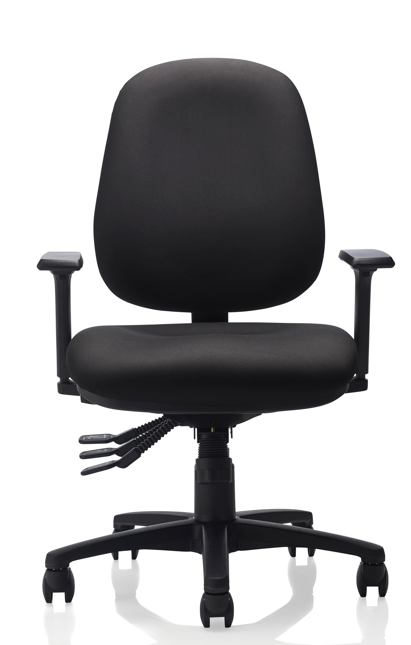
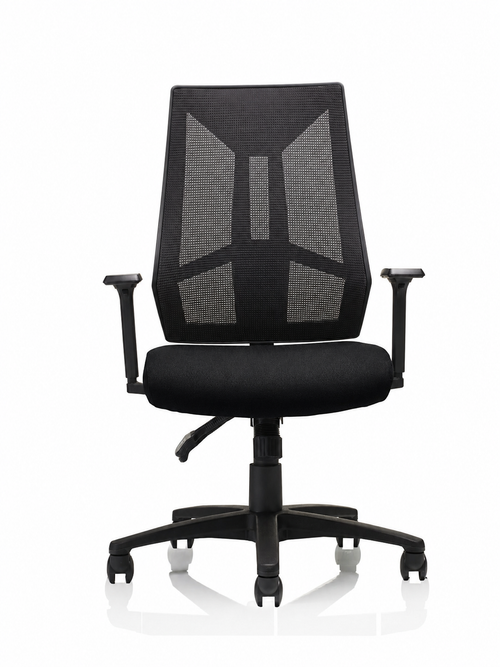
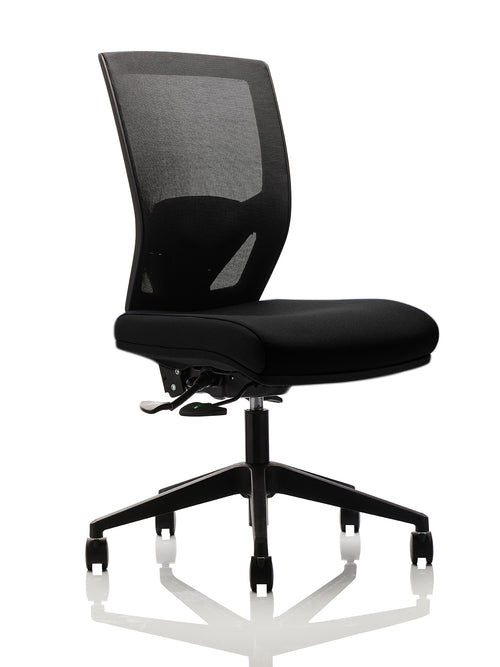
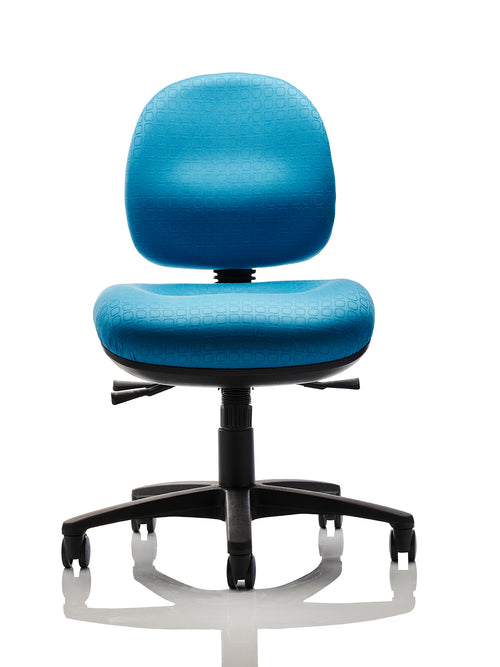
A standing desk and an ergonomic chair solve different problems, not competing ones — a standing desk adds postural variation across the day, while a good chair supports posture during the (still majority) of the day spent seated. For most workstation budgets, prioritising a properly adjustable chair first, then adding a standing desk when budget allows, gets more benefit than treating it as an either/or choice.
What does a standing desk actually fix?
The core benefit of a standing desk is variation — the ability to change position throughout the day rather than staying in one posture for hours at a stretch. Alternating between sitting and standing reduces the sustained load on any single set of muscles and joints, and some people find it genuinely improves energy and focus during the day.
What a standing desk doesn't do on its own is fix poor posture. Standing with rounded shoulders and a forward-leaning neck has its own problems, just as sitting does — the desk changes position, not necessarily quality of posture.
What does a good ergonomic chair actually fix?
An ergonomic chair's job is to support good posture during the time spent sitting — which, even with a standing desk in the mix, is still likely to be the majority of the working day for most desk-based roles. Adjustable lumbar support, proper seat depth, and a tilt mechanism that encourages movement rather than locking into one fixed position all reduce the physical cost of the sitting time that remains.
A standing desk doesn't reduce the importance of the chair — it just reduces how many hours the chair needs to do that job for.
Should I choose a standing desk or an ergonomic chair?
Framed as a single either/or budget decision, this usually leads to compromise on both — a cheaper chair to afford the standing desk, or vice versa. In practice:
- A standing desk without a supportive chair still leaves the majority of the day (sitting) unsupported
- A great chair without any standing option still means zero postural variation across the day
- Both together — genuine movement variation plus proper support while seated — addresses more of what actually contributes to discomfort and fatigue over a working day
Which should I prioritise if my budget is limited?
If budget is genuinely limited, a reasonable approach is prioritising a properly adjustable, well-built ergonomic chair first — since it's doing the heavier lifting for the majority of the day regardless of desk type — and treating a standing desk as a valuable addition when budget allows, rather than a replacement for chair quality.
For a full workstation refresh, the two are complementary line items, not competing ones.
Corporate Chair Systems designs ergonomic seating built for genuine daily commercial use, working in consultation with ergonomists and occupational therapists. Get in touch if you're planning a workstation refresh and want advice on the full setup, not just the chair.